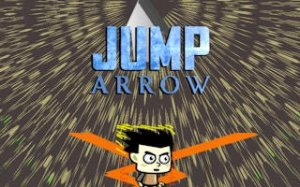
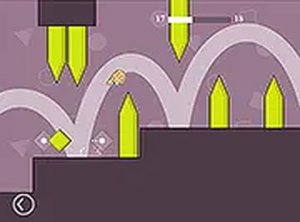
At its heart, this game revolves around a simple but rewarding action: jumping between platforms that float in the air. Players control a character that moves forward automatically, so the main task is deciding when to jump and how high. A quick tap produces a short hop, while holding the input longer results in a higher leap. This responsive system means every jump feels directly tied to the player's input, creating a satisfying sense of control. The challenge comes from judging distances and platform heights, especially as the gaps between surfaces grow wider in later stages.
Each new section introduces fresh hazards that keep the gameplay from feeling repetitive. Some platforms shift left and right, requiring players to time their jumps to match the movement. Others rotate in place, and touching them at the wrong angle can knock the character backward. A particularly tricky element involves tiles that break apart moments after being stepped on, forcing players to keep moving without hesitation. These obstacles combine in different ways, so players must constantly adapt their approach rather than relying on a single strategy.
The game presents a colorful, cheerful world that feels welcoming to players of all ages. Bright backgrounds and clearly defined platforms make it easy to spot where to land next. The art style avoids clutter, ensuring that players can focus on the action without visual confusion. This clean presentation also helps the game run smoothly on a variety of devices. The overall mood is light and encouraging, with each successful ascent providing a small sense of accomplishment.
Early stages introduce basic platform arrangements and simple obstacles, allowing new players to get comfortable with the controls. As players advance, the game gradually increases the complexity by mixing obstacle types and reducing the margin for error. Later levels might combine moving platforms with spinning barriers, demanding careful observation and quick reactions. This steady ramp in difficulty keeps the experience engaging without becoming frustrating too quickly. Players who persist will find their timing and spatial awareness improving naturally.
The control scheme is intentionally minimal, relying on a single input method whether using a mouse or touch screen. This simplicity makes the game accessible to young children and casual players who may not be familiar with complex game controllers. The automatic forward movement removes the need for directional inputs, letting players concentrate entirely on the timing of their jumps. This design choice also means the game can be played comfortably with one hand, which is convenient for short play sessions on mobile devices.





Player Comments
Sign in to comment
You must be logged in before posting a review or rating.
No account? Create one
No comments yet. Be the first to comment!